Christopher Vogler's The Writer's Journey
The Writer's Last Journey:
Heroes, AI, and the Future of Writing
In this episode, we’re finally putting the Hero’s Journey to rest and bidding farewell to Christopher Vogler’s The Writer’s Journey. And by “putting to rest,” we mean cramming the entire second half of this doorstop of a book into one episode. Renee takes one for the team by distilling each chapter down to its least painful bits. Then we’ll zoom out to discuss what we actually found valuable in this tome and offer our candid recommendations on how to approach reading it.
For the second half, we’re pivoting to something that won’t collect dust on your shelf—our new mini-series on AI and its invasion of the writing world. Do chatbots mean the end of the craft of writing, or can we humans somehow incorporate the AI’s as tools to improve our stories? Today, we’re just examining how alarmingly far AI has advanced since our last tech episode two years ago (spoiler: it’s terrifying).
Remember, we have a Writers Process meetup every Wednesday. Check us out
Goodbye, The Writer's Journey
202 pages left. Very little left of substance. Lots of movie analysis. We don’t write screenplays. Want to know how he’s analyzing four movies. We’re not going to go into it. We analyzed 3 novels. Renee pulled out the important bits. Is it worthwhile? Good stuff? As you can guess, we weren’t huge fans of this book. Useful, we can see how an 80’s movie script can be perfect. Terminator. Perfect script. 239 chart of the acts was nice. Renee learned a lot from writing up the stages via the Hobbit. We knew it was there, but not quite sure WHY it was there. Books are not plays/screenplays. Kim realized she didn’t have to follow this formula. One thing Renee learned, a lot of people who say they want to write a book, they really just want to make a movie, so they write a novel to tell their story. While on the surface, an author might think they might write the next Harry Potter, you’ll find out that it’s an organic process to make it good. Hero’s Journey is a tired plot.
The beginning of the journey is actually quite helpful. Lots of handwaiving after the beginning. If you’re going to apply your theory to everything, you’ll have a hard time doing anything. We had a hard time finding novel examples because it really only applies to movies. “Everything is everything” Kim. You can twist these events to fit, and it’s not useful for writing a novel. Even with Kaiju, the middle starts to fall apart. The book becomes its own thing and can’t rely on each step. Each chapter was a step but fell apart.

Week 4: The Morning Pages Report
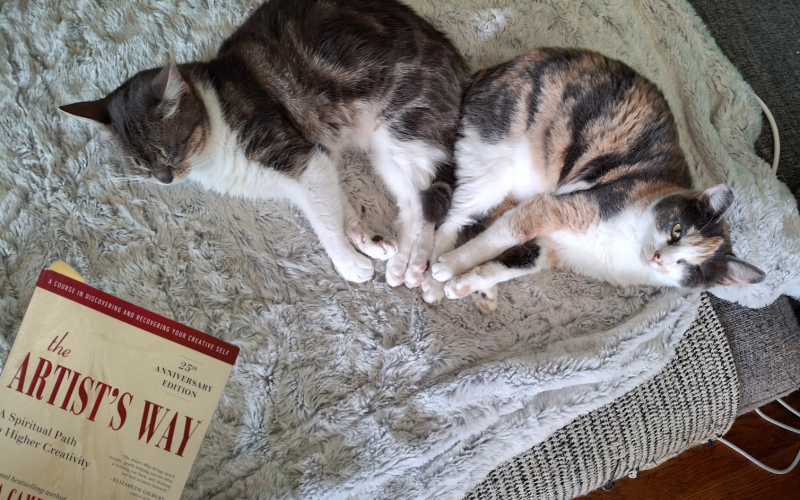
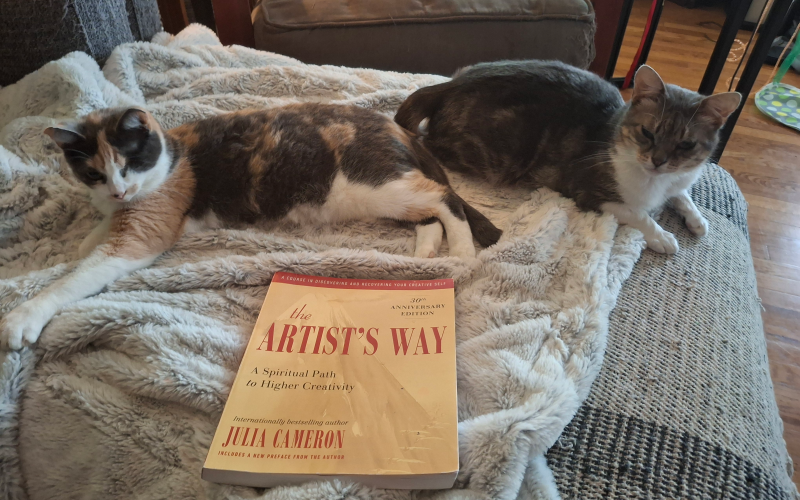
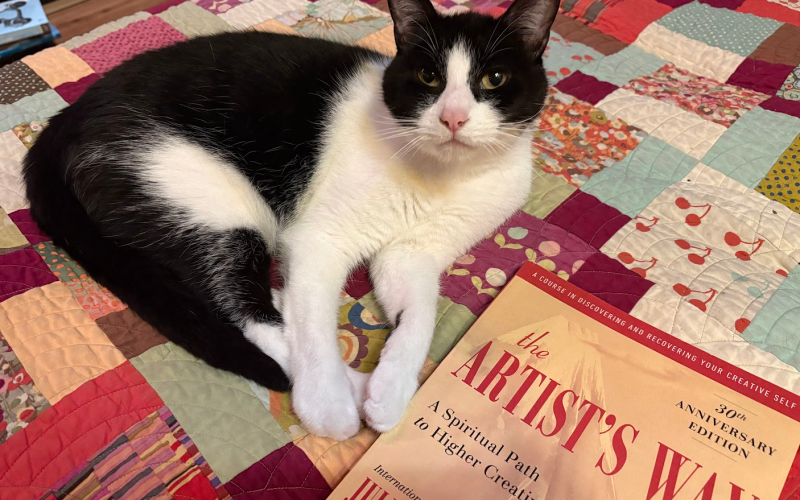
Julia Cameron’s The Artist’s WayWeek Four: Recovering A Sense of Integrity Do Julia Cameron’s Morning Pages work? Specifically, do they work for us? We begin this podcast by discussing...