Five People a Writer Needs in their Career
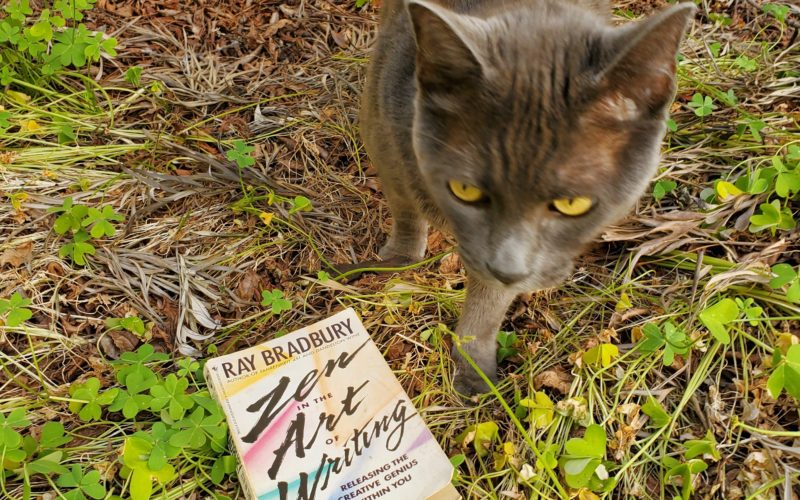
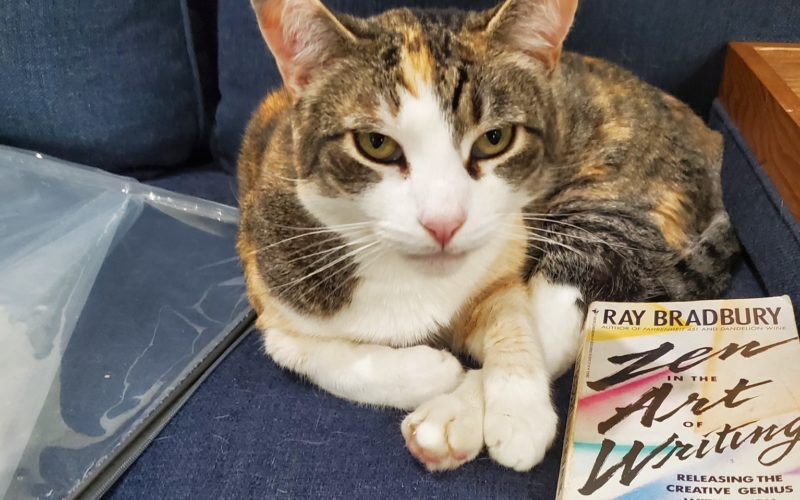
No one succeeds all by themselves, and that includes Ray Bradbury. In his book Zen in the Art of Writing, he credits several individual who were critical to his literary success.
Read MoreLorem ipsum dolor sit amet, consectetur adipiscing elit. Quisque imperdiet eros leo, eget consequat orci viverra nec. Suspendisse pellentesque sem metus, et mollis purus auctor in eoses eget. Powered by SecondLineThemes
<!-- Begin Constant Contact Active Forms -->
<script> var _ctct_m = "60d71a7d04a1d997c127c5217945ff75"; </script>
<script id="signupScript" src="//static.ctctcdn.com/js/signup-form-widget/current/signup-form-widget.min.js" async defer></script>
<!-- End Constant Contact Active Forms -->
<!-- Begin Constant Contact Active Forms -->
<script> var _ctct_m = "60d71a7d04a1d997c127c5217945ff75"; </script>
<script id="signupScript" src="//static.ctctcdn.com/js/signup-form-widget/current/signup-form-widget.min.js" async defer></script>
<!-- End Constant Contact Active Forms -->
No one succeeds all by themselves, and that includes Ray Bradbury. In his book Zen in the Art of Writing, he credits several individual who were critical to his literary success.
Read MoreAccording to Bradbury’s retelling, it took him nine days, a library typewriter, and a pocketful of dimes to crank out his first version of Fahrenheit 451. Is such a feat possible in today’s distracting world? We decide to give it a try (or at least one day of a try) and report on the results it in this episode. In another chapter of his writing craft book, Zen in the Art of Writing, Bradbury recounts how he mined his childhood memories to write his book Dandelion Wine. As a memoirist, Renee shares how she digs deep into her younger self’s recollections, which aren’t quite as idyllic.
Read MoreOh Muse, well-spring of creativity, why are you so unreliable? How can we entice you? In this episode, we discuss what the muse is and get some advice on nurturing and strengthening our own from Ray Bradbury’s book Zen in the Art of Writing. We also discuss Bradbury’s journey to becoming a writer and how it compares to our own. Finally, we put all that muse-wisdom into practice as we develop a daily “Reading Menu.”
Read MoreRay Bradbury shares his secrets for how he wrote so many unforgettable short stories in the first two chapters of his craft book, Zen in the Art of Writing.
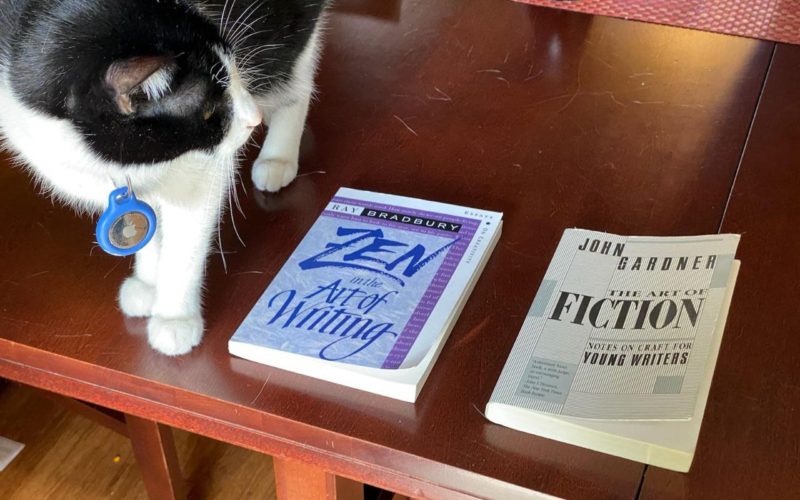
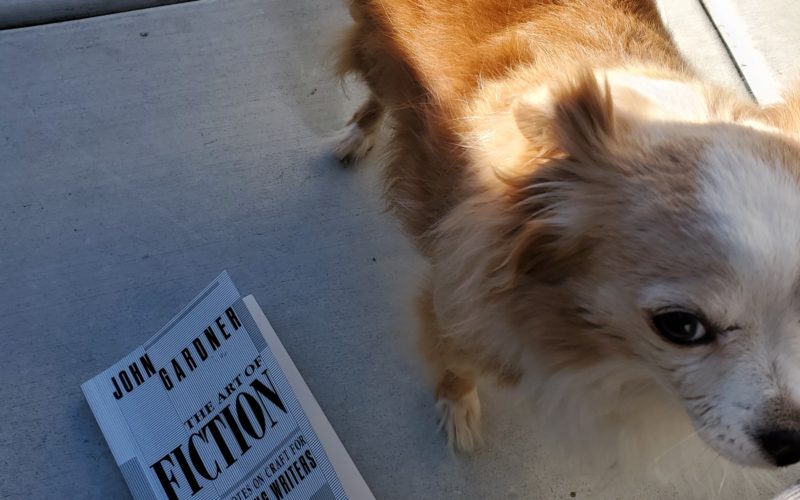
Read MoreThinking of reading The Art of Fiction, “Young Writer?” Listen to this podcast first. Despite dying in a motorcycle crash in 1982, John Gardner achieved immortality (at least in the writing community) with the posthumous publication of the Art of Fiction
Read MoreWow! We’ve gotten to the final chapter of John Gardner’s book, The Art of Fiction and it’s all about plotting your short story, or novella, or novel (there are, apparently differences). We also learn some fancy plot vocabulary. Oh, and the stripper? Her name is Fanny, and her story is the example that Gardner uses to explain how to devise a plot. Our guess is that most readers don’t make it to Fanny, but trust us, she’s totally worth it.
Read MoreGardner promises to show us the proper way for the young writer to achieve artistic mastery. Doesn’t that sound marvelous? We take him to task on his analysis and advice on the techniques of Imitation, Vocabulary, The Sentence, Point of View, Delay and Style from chapter 6 of The Art of Fiction.
Read MoreEnough with the theoretical, in this episode we get some practical advice out of Gardner’s book, The Art of Fiction. Specifically, he tells us what we’re doing wrong. We discuss a few of what Gardner call’s clumsy errors before moving onto Faults of the Soul – Sentimentality, Frigidity, and Mannerisms.
Read MoreAfter last episode’s mother of all chapters, we get a reprieve – a much shorter and lighthearted chapter devoted to those weird genres of metafiction, deconstruction, and jazzing around (that last one we’re pretty sure Gardner made up.) While we do discuss Gardner’s take, we mostly just have fun geeking out over our favorite examples of the genres.
Read MoreMoving along to Chapter 3 in The Art of Fiction. We go to war over the various dichotomies that (what Gardner claims) make good fiction, his weird beef against experimental fiction–or what he calls “intellectual toys,” and why he chose a weird moment in Helen of Troy to serve as his example to illustrate the novel.
Read MoreIt’s time for a new season and it’s time for a new book! We’re starting Anne Lamott’s Bird by Bird. This is the writing process book that everyone has...
Think ChatGPT can finish your creative writing exercises? Let’s find out! In this episode we’re testing the cutting-edge artificial intelligence on some old school writing prompts. We dug out...
We’re on our penultimate episode for our reading of Jack Bickham’s Scene & Structure. So, what does the bullet point Meister have to squeeze into an end of a...
Every composition teacher will draw out a rising action graph on the board (yes, we’re old school). But how do you translate that diagram into the sentences and...
Today we tackle Jack Bickham’s Common Scene Errors, and boy, are there a lot of them, 14 to be precise. According to Scene and Sequel, these simple problems will...
What writer hasn’t dreamed of leaving behind the stress and obligations of their day-to-day lives for a quiet, secluded space where they can just write? This past October, we...
In this episode, Kim interviews award winning science fiction author, Charlie Jane Anders about her recently published craft book, Never Say You Can’t Survive! After the interview, we take...
Shitty First Drafts and Beyond!
How does one write an entire novel? It’s a bit like the advice for eating an elephant, one bite at a time. In this episode we cover Anne Lamott’s...