admin

Work! Relax! Don’t Think! No problem

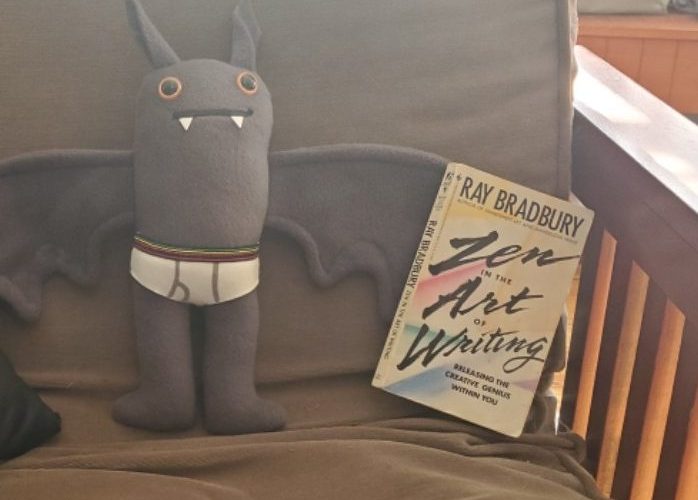
In this episode we dive into the final chapter of Ray Bradbury’s Zen in the Art of Writing, titled: Zen in the Art of Writing. So what is Zen, anyway? With the help of the internet, we come up with some context.

Then it’s on to Bradbury’s three critical words to writer success:
WORK
RELAXATION
DON’T THINK
(okay, that’s four words)

We do our best to figure out what Bradbury meant and what those concepts could mean for our own writing. As a bonus, Renee reveals the not-so-secret way of getting an A in her creative writing classes.

Read More
So You Want to be a Screenwriter

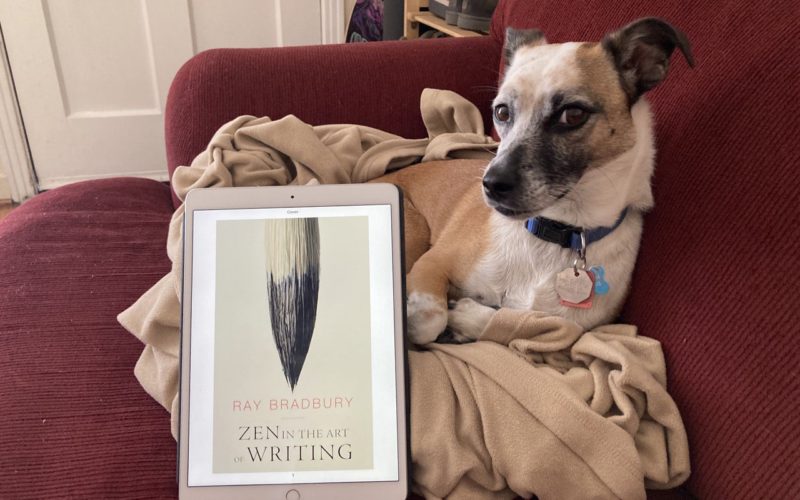
In todays episode, Bradbury tells us how loathing Ireland pushed him to becoming a playwright/screenwriter,  why these absurdest plays are no good, and the secret to successfully turning his short stories into film.

Full disclosure, Renee and Kim pretty much disagree with these two chapters in Zen in the Art of Writing, and they have no clue what “Shooting Haiku in a Barrel means. But disagreements make for good podcasts. And if you’re into film analysis, this is the episode for you. 

Read More

Five People a Writer Needs in their Career

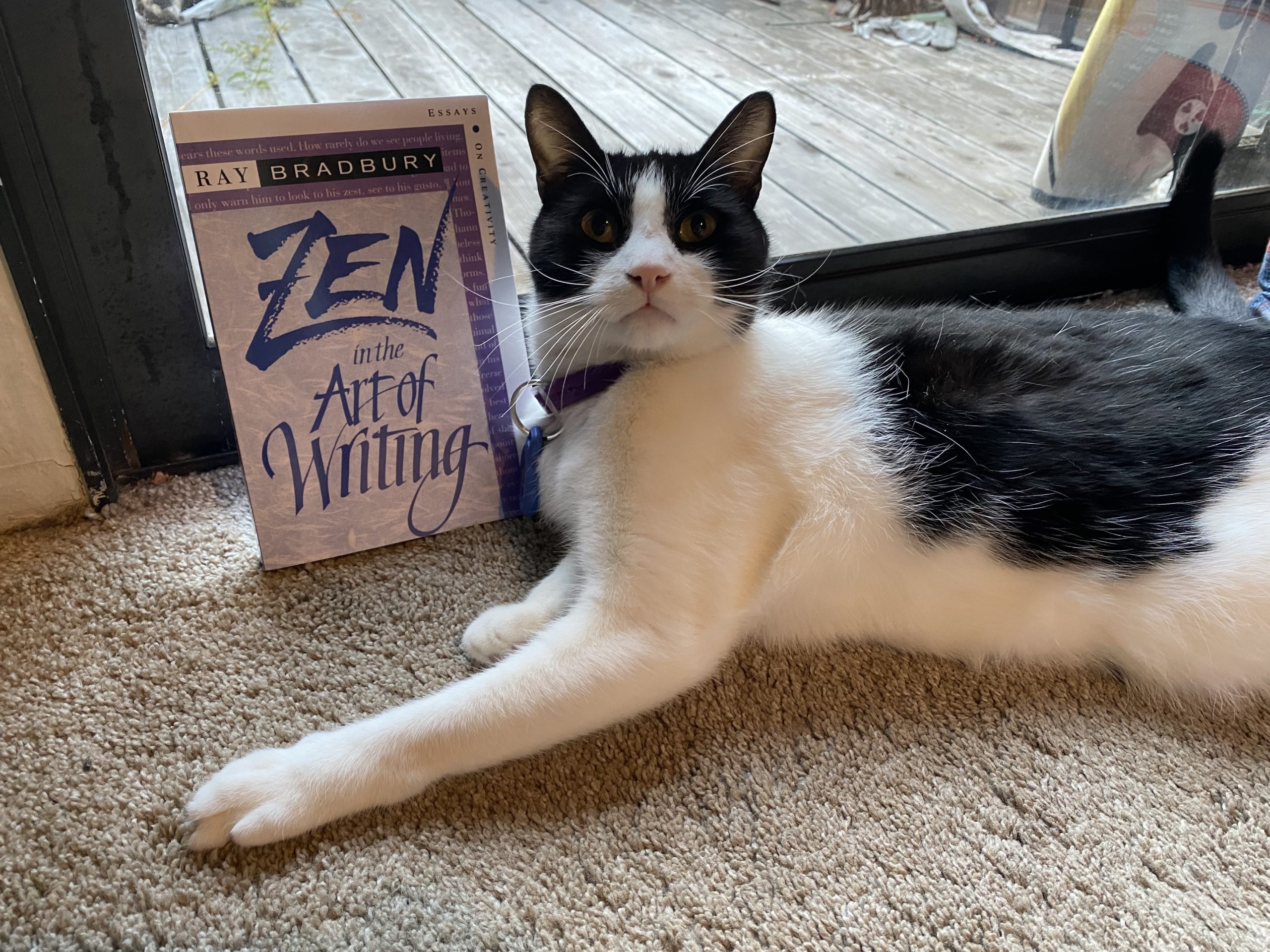
No one succeeds all by themselves, and that includes Ray Bradbury.  In his book Zen in the Art of Writing, he credits several individual who were critical to his literary success.

Read More

Writing Marathons and Playing with Memories

According to Bradbury’s retelling, it took him nine days, a library typewriter, and a pocketful of dimes to crank out his first version of Fahrenheit 451. Is such a feat possible in today’s distracting world? We decide to give it a try (or at least one day of a try) and report on the results it in this episode. In another chapter of his writing craft book, Zen in the Art of Writing, Bradbury recounts how he mined his childhood memories to write his book Dandelion Wine. As a memoirist, Renee shares how she digs deep into her younger self’s recollections, which aren’t quite as idyllic.

Read More

How to Feed and Care for your Muse

Oh Muse, well-spring of creativity, why are you so unreliable? How can we entice you? In this episode, we discuss what the muse is and get some advice on nurturing and strengthening our own from Ray Bradbury’s book Zen in the Art of Writing. We also discuss Bradbury’s journey to becoming a writer and how it compares to our own. Finally, we put all that muse-wisdom into practice as we develop a daily “Reading Menu.”

Read More

Writing with Gusto

Ray Bradbury shares his secrets for how he wrote so many unforgettable short stories in the first two chapters of his craft book, Zen in the Art of Writing.

Read More

Goodbye Gardner, Hello Bradbury

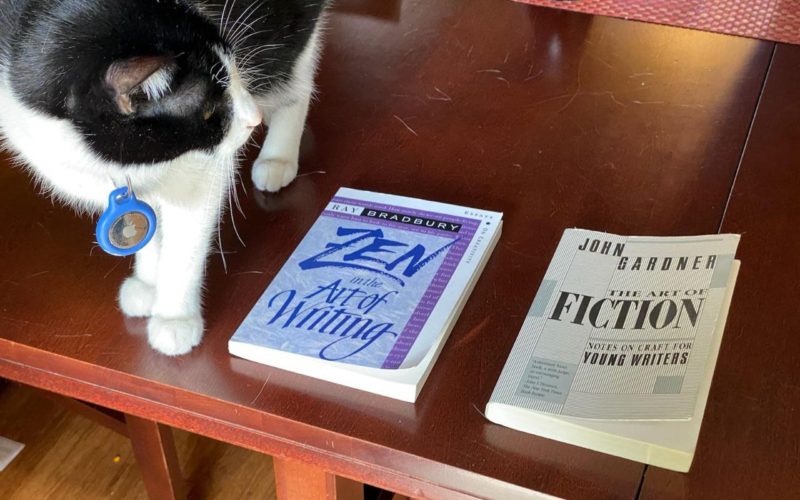
Thinking of reading The Art of Fiction, “Young Writer?” Listen to this podcast first. Despite dying in a motorcycle crash in 1982, John Gardner achieved immortality (at least in the writing community) with the posthumous publication of the Art of Fiction

Read More

Come for the Plot. Stay for the Stripper

Wow! We’ve gotten to the final chapter of John Gardner’s book, The Art of Fiction and it’s all about plotting your short story, or novella, or novel (there are, apparently differences). We also learn some fancy plot vocabulary. Oh, and the stripper? Her name is Fanny, and her story is the example that Gardner uses to explain how to devise a plot. Our guess is that most readers don’t make it to Fanny, but trust us, she’s totally worth it.

Read More

Techniques

Gardner promises to show us the proper way for the young writer to achieve artistic mastery. Doesn’t that sound marvelous? We take him to task on his analysis and advice on the techniques of Imitation, Vocabulary, The Sentence, Point of View, Delay and Style from chapter 6 of The Art of Fiction.

Read More

Common Errors

Enough with the theoretical, in this episode we get some practical advice out of Gardner’s book, The Art of Fiction. Specifically, he tells us what we’re doing wrong. We discuss a few of what Gardner call’s clumsy errors before moving onto Faults of the Soul – Sentimentality, Frigidity, and Mannerisms.

Read More