admin

Sequels: the Glue that Holds Scenes Together

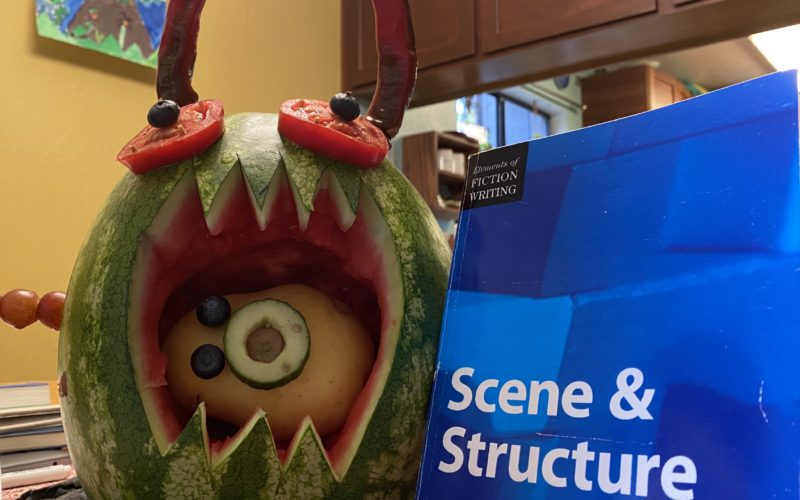
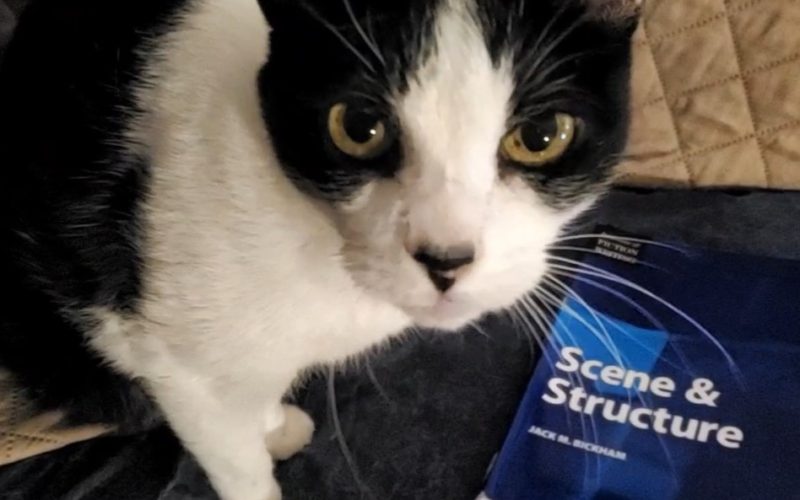
When you’re bored with action-packed scenes and want to dive deep into the mind of your protagonist, maybe you should try a Sequel. In today’s episode, we explore Bickham’s idea of sequel, its parts, and how it glues the scenes together. But we don’t just take Scene & Structure’s word for it, we go looking for sequels in several of our favorite books. Also, along the way, Renee has an existential crisis, but don’t worry, she gets better.

Read More

Tactical Disasters, Meaningful Change, and More Scene Rules. Oh, My!

After last episode’s deep dive into scene structure, we thought we’d ask a few published novelists and professional editors if they use scene goals in their writing/editing.

Then, for our podcast proper, we move beyond the scene basics into more advance concerns, like does that disaster you carefully crafted have the proper scope, immediacy, finality, and does it steer your story in the right direction. But we still need to get that pig back home, and in Chapter 6, Bickham points out (with not one, but two numbered lists) other things that can go wrong with scenes, including not having enough “going wrong.”

Read More

Making a Scene

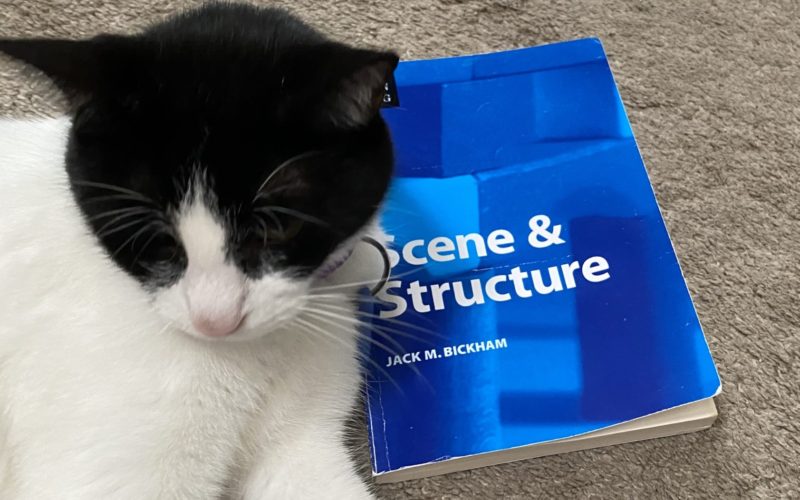
If stories are made up of scenes, what are scenes made up of? According to Jack Bickham in his book, Scene & Structure, scenes start with a character’s stated goal and rumble through an evolving conflict until they reach … a disaster. In this episode, we examine each of these elements and test Bickham’s assertions using Real Book examples. Then, for true illumination, we Bickhamize our own scenes. But before we delve into the nitty gritty, we have a delightful interview with Susan Tunis of Bookshop West Portal.

Read More

The Cart Goes After the Horse – Getting Cause and Effect Right in your Story

This episode is all about cause and effect, what it is, why it is critical in fiction despite being largely absent in real life, and how it works line by line as stimulus and response. In chapter 3 of his book Scene & Structure, Jack Bickham has some hard rules about applying and ordering stimulus, internalization, and response. We examine our own writing to see if it follows the proscribed format.

And, as a bonus, we start the episode off with interviews we did at the San Francisco Writers Conference that we’re calling “Confessions of Craft Book Addicts.”

Read More

Starting Your Book Off Right

In this podcast we give our first impressions of our new book, Jack Bickham’s Scene and Structure, and, being the enthusiast students that we are, we begin by identifying his central thesis. Then it’s onto Chapter 2, where we answer some novice novelist questions and discuss Bickham’s approach to a story’s first page. To further our understanding, Kim “Bickhamizes” the beginning of her new fantasy novel.

As a bonus, Renee has a special message for any former Border employees who worked the late-night Harry Potter release parties back in the 90’s.

Read More

Auf Wiedersehen, Bradbury, and on to Scene & Structure

In this episode we bid a fond farewell to Bradbury with one last conversation about his book, Zen in the Art of Writing. We discuss what’s in the book, what it meant for us personally, and how readers can get the most out of this writing craft book. Lastly, we send off Bradbury with our favorite Zen quotes.

And then it’s on to Jack Bickham’s Scene and Structure. Renee gives a bit of context about the book and Kim interview Kristen Tate, an editor who reviewed the book on her website, The Blue Garett.

Read More

Work! Relax! Don’t Think! No problem

In this episode we dive into the final chapter of Ray Bradbury’s Zen in the Art of Writing, titled: Zen in the Art of Writing. So what is Zen, anyway? With the help of the internet, we come up with some context.

Then it’s on to Bradbury’s three critical words to writer success:
WORK
RELAXATION
DON’T THINK
(okay, that’s four words)

We do our best to figure out what Bradbury meant and what those concepts could mean for our own writing. As a bonus, Renee reveals the not-so-secret way of getting an A in her creative writing classes.

Read More

So You Want to be a Screenwriter

In todays episode, Bradbury tells us how loathing Ireland pushed him to becoming a playwright/screenwriter,  why these absurdest plays are no good, and the secret to successfully turning his short stories into film.

Full disclosure, Renee and Kim pretty much disagree with these two chapters in Zen in the Art of Writing, and they have no clue what “Shooting Haiku in a Barrel means. But disagreements make for good podcasts. And if you’re into film analysis, this is the episode for you. 

Read More

Five People a Writer Needs in their Career

No one succeeds all by themselves, and that includes Ray Bradbury.  In his book Zen in the Art of Writing, he credits several individual who were critical to his literary success.

Read More

Writing Marathons and Playing with Memories

According to Bradbury’s retelling, it took him nine days, a library typewriter, and a pocketful of dimes to crank out his first version of Fahrenheit 451. Is such a feat possible in today’s distracting world? We decide to give it a try (or at least one day of a try) and report on the results it in this episode. In another chapter of his writing craft book, Zen in the Art of Writing, Bradbury recounts how he mined his childhood memories to write his book Dandelion Wine. As a memoirist, Renee shares how she digs deep into her younger self’s recollections, which aren’t quite as idyllic.

Read More