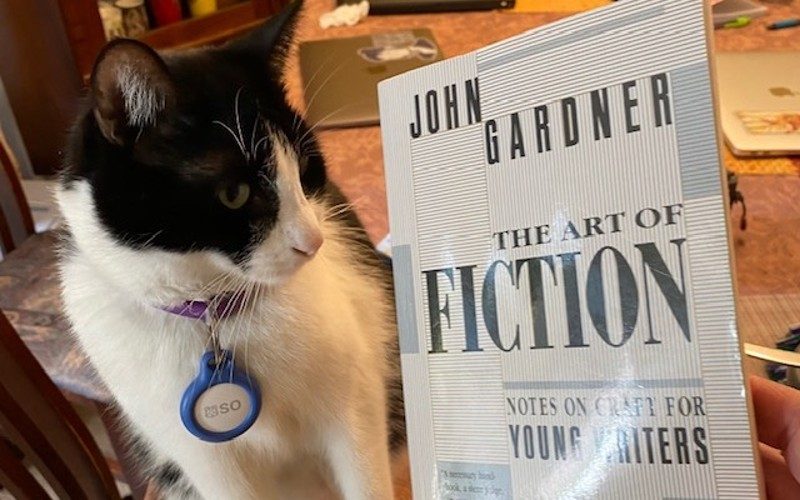
Aesthetic Law and Artistic Mastery
We’re starting our first book – John Gardner’s The Art of Fiction. Let’s find out why writing instructors and bloggers keep recommending it to aspiring writers. We’ll try to figure out what Gardner means by aesthetic law and if the literary cannon is worth a read, and we’ll...
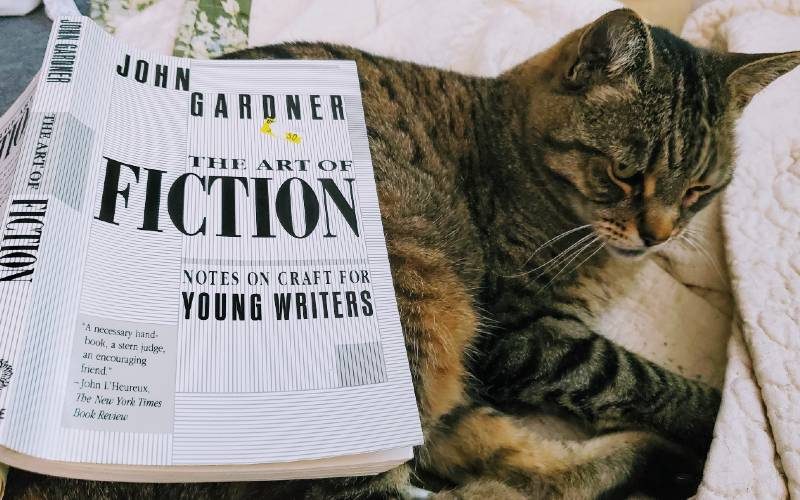
Basic Skills, Genre, and Fiction as Dream
Onto Chapter 2 of John Gardner’s The Art of Fiction. We begin with Gardner’s opinions about grammar, and our opinions about those opinions. Then we move on to his definition of genres and the great importance of “verisimilitude.”
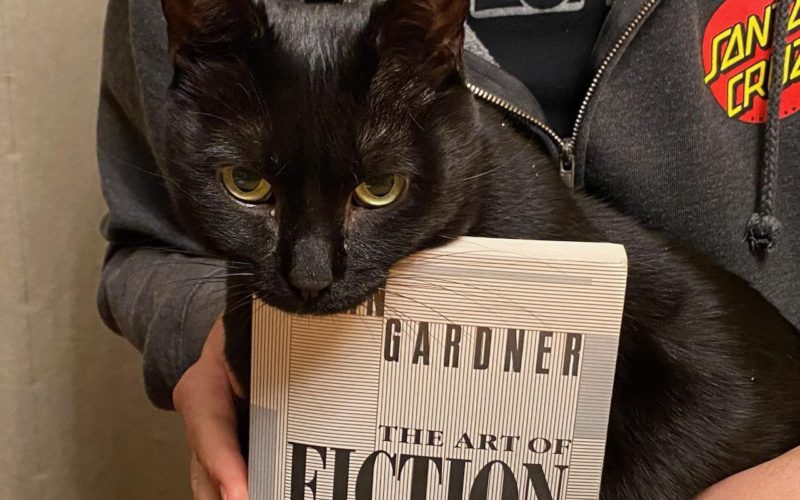
Interest and Truth
Moving along to Chapter 3 in The Art of Fiction. We go to war over the various dichotomies that (what Gardner claims) make good fiction, his weird beef against experimental fiction–or what he calls “intellectual toys,” and why he chose a weird moment in Helen of Troy to serve...
Metafiction, Deconstruction, and Jazzing Around
After last episode’s mother of all chapters, we get a reprieve – a much shorter and lighthearted chapter devoted to those weird genres of metafiction, deconstruction, and jazzing around (that last one we’re pretty sure Gardner made up.) While we do discuss Gardner’s take, we mostly just have...
Common Errors
Enough with the theoretical, in this episode we get some practical advice out of Gardner's book, The Art of Fiction. Specifically, he tells us what we're doing wrong. We discuss a few of what Gardner call's clumsy errors before moving onto Faults of the Soul - Sentimentality, Frigidity, and...
Techniques
Gardner promises to show us the proper way for the young writer to achieve artistic mastery. Doesn’t that sound marvelous? We take him to task on his analysis and advice on the techniques of Imitation, Vocabulary, The Sentence, Point of View, Delay and Style from chapter 6 of The...
Come for the Plot. Stay for the Stripper
Wow! We've gotten to the final chapter of John Gardner's book, The Art of Fiction and it's all about plotting your short story, or novella, or novel (there are, apparently differences). We also learn some fancy plot vocabulary. Oh, and the stripper? Her name is Fanny, and her story...
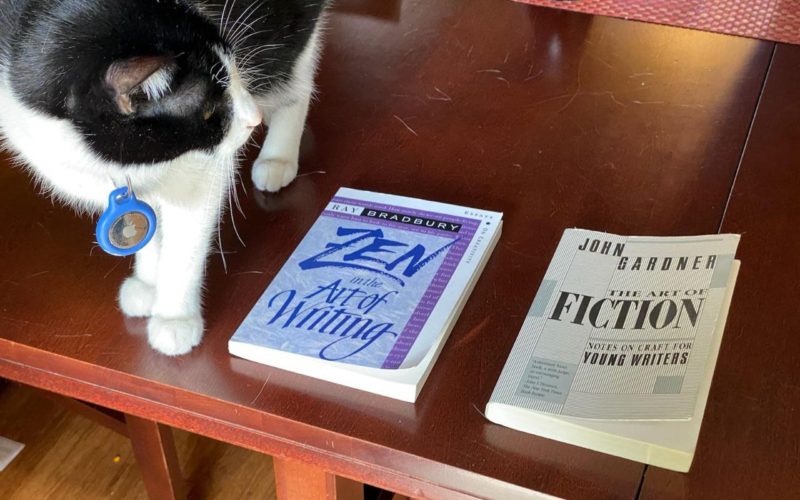
Goodbye Gardner, Hello Bradbury
Thinking of reading The Art of Fiction, "Young Writer?" Listen to this podcast first. Despite dying in a motorcycle crash in 1982, John Gardner achieved immortality (at least in the writing community) with the posthumous publication of the Art of Fiction
Writing with Gusto
Ray Bradbury shares his secrets for how he wrote so many unforgettable short stories in the first two chapters of his craft book, Zen in the Art of Writing.
How to Feed and Care for your Muse
Oh Muse, well-spring of creativity, why are you so unreliable? How can we entice you? In this episode, we discuss what the muse is and get some advice on nurturing and strengthening our own from Ray Bradbury’s book Zen in the Art of Writing. We also discuss Bradbury’s journey...
Writing Marathons and Playing with Memories
According to Bradbury’s retelling, it took him nine days, a library typewriter, and a pocketful of dimes to crank out his first version of Fahrenheit 451. Is such a feat possible in today’s distracting world? We decide to give it a try (or at least one day of a...
Five People a Writer Needs in their Career
No one succeeds all by themselves, and that includes Ray Bradbury. In his book Zen in the Art of Writing, he credits several individual who were critical to his literary success.
So You Want to be a Screenwriter
In todays episode, Bradbury tells us how loathing Ireland pushed him to becoming a playwright/screenwriter, why these absurdest plays are no good, and the secret to successfully turning his short stories into film. Full disclosure, Renee and Kim pretty much disagree with these two chapters in Zen in the Art...
Work! Relax! Don’t Think! No problem
In this episode we dive into the final chapter of Ray Bradbury’s Zen in the Art of Writing, titled: Zen in the Art of Writing. So what is Zen, anyway? With the help of the internet, we come up with some context. Then it’s on to Bradbury’s three critical...
Auf Wiedersehen, Bradbury, and on to Scene & Structure
In this episode we bid a fond farewell to Bradbury with one last conversation about his book, Zen in the Art of Writing. We discuss what’s in the book, what it meant for us personally, and how readers can get the most out of this writing craft book. Lastly,...
Starting Your Book Off Right
In this podcast we give our first impressions of our new book, Jack Bickham's Scene and Structure, and, being the enthusiast students that we are, we begin by identifying his central thesis. Then it's onto Chapter 2, where we answer some novice novelist questions and discuss Bickham's approach to a...

The Cart Goes After the Horse – Getting Cause and Effect Right in your Story
This episode is all about cause and effect, what it is, why it is critical in fiction despite being largely absent in real life, and how it works line by line as stimulus and response. In chapter 3 of his book Scene & Structure, Jack Bickham has some hard...

Making a Scene
If stories are made up of scenes, what are scenes made up of? According to Jack Bickham in his book, Scene & Structure, scenes start with a character’s stated goal and rumble through an evolving conflict until they reach … a disaster. In this episode, we examine each of these...
Tactical Disasters, Meaningful Change, and More Scene Rules. Oh, My!
After last episode’s deep dive into scene structure, we thought we’d ask a few published novelists and professional editors if they use scene goals in their writing/editing. Then, for our podcast proper, we move beyond the scene basics into more advance concerns, like does that disaster you carefully crafted...
Sequels: the Glue that Holds Scenes Together
When you’re bored with action-packed scenes and want to dive deep into the mind of your protagonist, maybe you should try a Sequel. In today’s episode, we explore Bickham’s idea of sequel, its parts, and how it glues the scenes together. But we don’t just take Scene & Structure’s...

Speeding Up and Slowing Down your Novel
Chapter 8 – Scene & Structure Subscribe to our Newsletter How do you take a ponderous story into a page turner? How do you take a Michael Bay paced novel and make it about more than one disaster after the next? In this episode, we explain Jack Bickham’s techniques...
Getting Wild with Scene and Sequels
After 70 pages of Jack Bickham’s Scene and Structure we feel we’ve got a pretty good handle on how to break our stories down into action-packed, disaster-ending scenes and the more contemplative internal sequels that hold the book together. What we’ve had a harder time with is finding these...
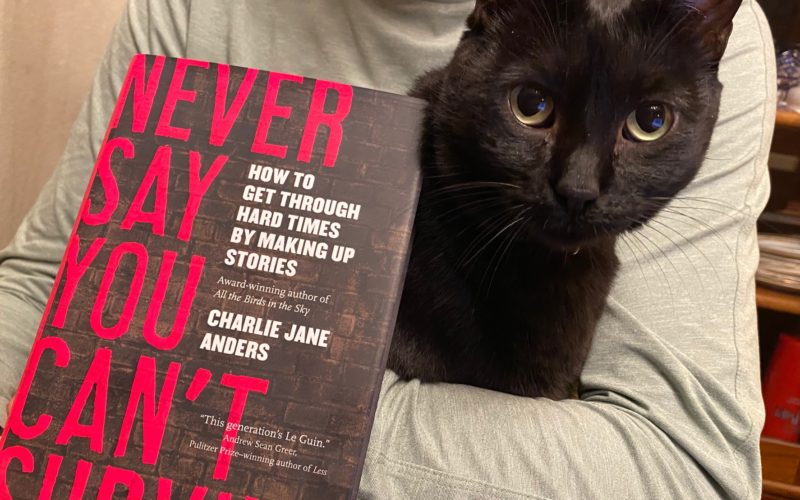
The One Where We Go on a Writing Retreat
In this episode, Kim interviews award winning science fiction author, Charlie Jane Anders about her recently published craft book, Never Say You Can’t Survive! After the interview, we take a break from our usual craft book analysis and writing exercise because…Kim and Renee went on a writing retreat! We...
Dispatches from a DIY Writing Retreat
What writer hasn’t dreamed of leaving behind the stress and obligations of their day-to-day lives for a quiet, secluded space where they can just write? This past October, we did just that, renting an Airbnb for five days and making real progress on our memoir and novel. During those...
Common Scene Errors
Today we tackle Jack Bickham’s Common Scene Errors, and boy, are there a lot of them, 14 to be precise. According to Scene and Sequel, these simple problems will derail your scenes, rob them of their impact and drag down your novel. We go through each error, identifying if...
Dramatic Principals & Devices FTW
Every composition teacher will draw out a rising action graph on the board (yes, we’re old school). But how do you translate that diagram into the sentences and paragraphs that keep your readers engaged in your story? In his book, Scene and Structure, Jack Bickham says to do it...
Bend It Like Bickham (the scene, that is)
We’re on our penultimate episode for our reading of Jack Bickham’s Scene & Structure. So, what does the bullet point Meister have to squeeze into an end of a book that 90% of its readers will probably never get to? Well, first we give ourselves a little pep talk and...
ChatGPT, Write me my Novel
Think ChatGPT can finish your creative writing exercises? Let’s find out! In this episode we’re testing the cutting-edge artificial intelligence on some old school writing prompts. We dug out our copies of John Gardner’s The Art of Fiction and typed in two of the back-of-the-book exercises. Faster than you...
And now for something completely different … Bird by Bird
It’s time for a new season and it’s time for a new book! We’re starting Anne Lamott’s Bird by Bird. This is the writing process book that everyone has heard of, and, given that it’s funny and self-deprecating, it’s probably one most people have read. We’re looking forward to...
Shitty First Drafts and Beyond!
How does one write an entire novel? It’s a bit like the advice for eating an elephant, one bite at a time. In this episode we cover Anne Lamott’s novel biting tips from her book, Bird by Bird. First comes her 1-inch picture frame technique, then her most famous...
Tilling Your Characters’ Emotional Acres
So you’ve committed to Anne Lamott’s daily writing practice (as discussed in our previous podcast), good for you. Now let’s find out how to turn those embarrassing word scribbles into profound and meaningful insights. In this episode we start with the Bird by Bird chapters, School Lunches and Polaroids,...
Character Driven Plot, plus Dialogue!
We’ve gotten to some hearty chapters in Ann Lamott’s book Bird by Bird. First up is plot, which “grows out of characters.” We discuss what this means and if it’s applicable to genre writing. Then we turn to dialogue, and how you distill intent from the rambling conversation of...
Getting Your Novel Right — Scene Setting and Reworking
We’re covering two different topics from Ann Lamott’s book Bird by Bird. First off is scene setting, both its importance for your characters and how to get all the details right (quick answer, ask an expert). Then we’re back to finding out what your story is about and how...
What to do when your Novel is a Beautiful Mess
Even published authors have problems getting the magical stories in their heads into finished manuscript. But Anne Lamott’s account of how, over the course of three years, she completely rewrote what would be her second novel several times, probably deserves a prize for perseverance (or stubbornness). In this podcast...
Beyond Butt In Chair
We’re onto the second section in Anne Lamott’s Bird by Bird — The Writing Frame Of Mind — and it’s getting a bit nebulous folks. In “Looking Around,” Lamont encourages us to see, truly see, the world. That sounds like mindfulness training to Kim, it sounds like something else...
Shut (those voices in your head) Up & Write
Sometimes just showing up isn’t enough. You’ve set time aside for writing and instead of your story unfurling on the page (or screen) other things come out. In this episode, we’ll discuss author Anne Lamott’s struggle and solutions to this problem from her book Bird by Bird. First we’ll...
Writing Advice from the 90s
Some advice is timeless, some is not. In this episode, we evaluate writing techniques from Anne Lamott's book Bird by Bird and see if they still have value in our current Information Age. Specifically, Lamott writes about capturing one's thoughts on index cards, and how to use a...
Writing Groups: The Good, The Bad, and The Ugly
Behind most successful authors there is a writing group (at least according to their novel's acknowledgment section). But how does one find a writing group, and how do you get the most of out of one once you're in? In todays episode, we discuss the chapters "Writing Groups" and "Someone...
What To Do When You Have Writer’s Block
Anne Lamott (in her Bird by Bird book) says the dreaded writer’s block isn’t about being blocked, it’s about being empty. In today’s podcast we discuss Lamott’s approach to writer’s block, as well as her technique of letter writing to get at the heart of your story. We also...
Why Do You Write?
Well, why do you? The answer for most authors is to get published. But is that the only reason, or even the best reason? As we near the end of Anne Lamott’s Bird by Bird we investigate other rewards for writing, like to to find ones voice, or...
Bye Bye Birdy
How do you tackle one of the most famous writing craft books, you take it “Bird by Bird.” That’s what we’ve done with Anne Lamott’s book over the past 12 episodes and in this final episode we cover her end of the class advice, along with how to avoid...
Truth VS Narrative in Memoir
We’re starting a NEW BOOK - Judith Barrington’s Writing the Memoir. And what better place to start than by discussing what a memoir is, what memoir isn’t, and just how truthful you need to be. Join us as we answer all of these important questions, which are addressed in...
Making Your Memoir Matter
Baring one's soul in a memoir is hard work. Convincing others to care is one thing, but to engage in your life story? That's a whole other beast. In her book, Writing the Memoir, Judith Barrington says the first step is getting ourselves - and our readers - to...
Finding Your Memoir’s Form
Chronological, essays, skipping through time, interspersed non-fiction — there are so many forms that memoir can take. Judith Barrington covers several in her book, Writing the Memoir, and in this episode we discuss the options, and which one is best for your memoir. As a bonus, Renee shares an...
You CAN handle the truth (in your memoir)
Readers seek out memoirs because they want true stories. But the truth, according to Judith Barrington in her book Writing the Memoir, is more than using Google to fact check. There are also emotional truths, which are harder than factual truths due of our imperfect memories, because they might...
Musing: Memoir’s Secret Ingredient
We’ve gotten to the part of Judith Barrington’s Writing the Memoir where she covers the actual writing of in a memoir, the words on the page. In addition to scenes, which we’ve covered in our fiction writing podcasts, Barrington says memoirs contain summaries and musings. In this episode,...
Time Travel in Memoir
Memoirs are rarely straight chronological narratives, what with the musing we talked about last episode, and they almost always jump forwards and backwards in time. We discuss Judith Barrington take the mental Time Machine from her book Writing the Memoir, specifically the idea of the “Now” and how with...
Workshop: Analyzing How Time Works in Memoir
Writing Workshop with Kim & ReneefromWriting the Memoir Subscribe to our Newsletter The Writing Workshop Exercise Find two or three short memoirs (short-story length as opposed to book length) and, for each one, create a time line. As you make the time line, list in your notebook the words...
The Secret to Getting Your Short Stories Publish
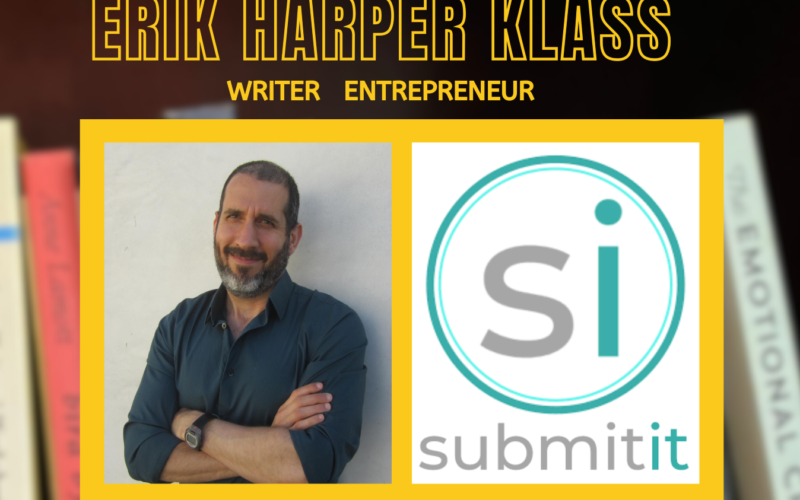
Our Interview with Erik Harper Klass In this stand alone episode, we talk with Erik Klass, the entrepreneurial editor behind the submission service Submitit about what literary journals are looking for in short stories and creative non-fiction. He also discusses how his company evaluates and chooses particular journals for...
Let’s Not Get Sued (for Writing a Memoir)
Judith Barrington’s Writing the MemoirChapter 8, 9, & Appendix Subscribe to our Newsletter Writing (and publishing) a memoir can be nerve wracking. What if the people you’re writing about don’t like your portrayal of them? What if they hate it? What if they decide to sue? In this episode...
Workshop: Naming Names in your Memoir
Writing Workshop with Kim & ReneeWriting th Memoir Subscribe to our Newsletter The Writing Workshop Exercise Map your Novel according to Vogler’s The Hero Journey. For this week’s workshop episode, Renee wrote about the brief time she spent as a child in Pacific Grove, CA, taking care to identify...
Remembering the Day When…
Your memoir is about you (obviously) but it’s not just about you. In this episode we cover Judith Barrington’s chapter on how (and why) to bring events from the real world into your memoir. And in our writing exercise we try it out by remembering our own lives during...
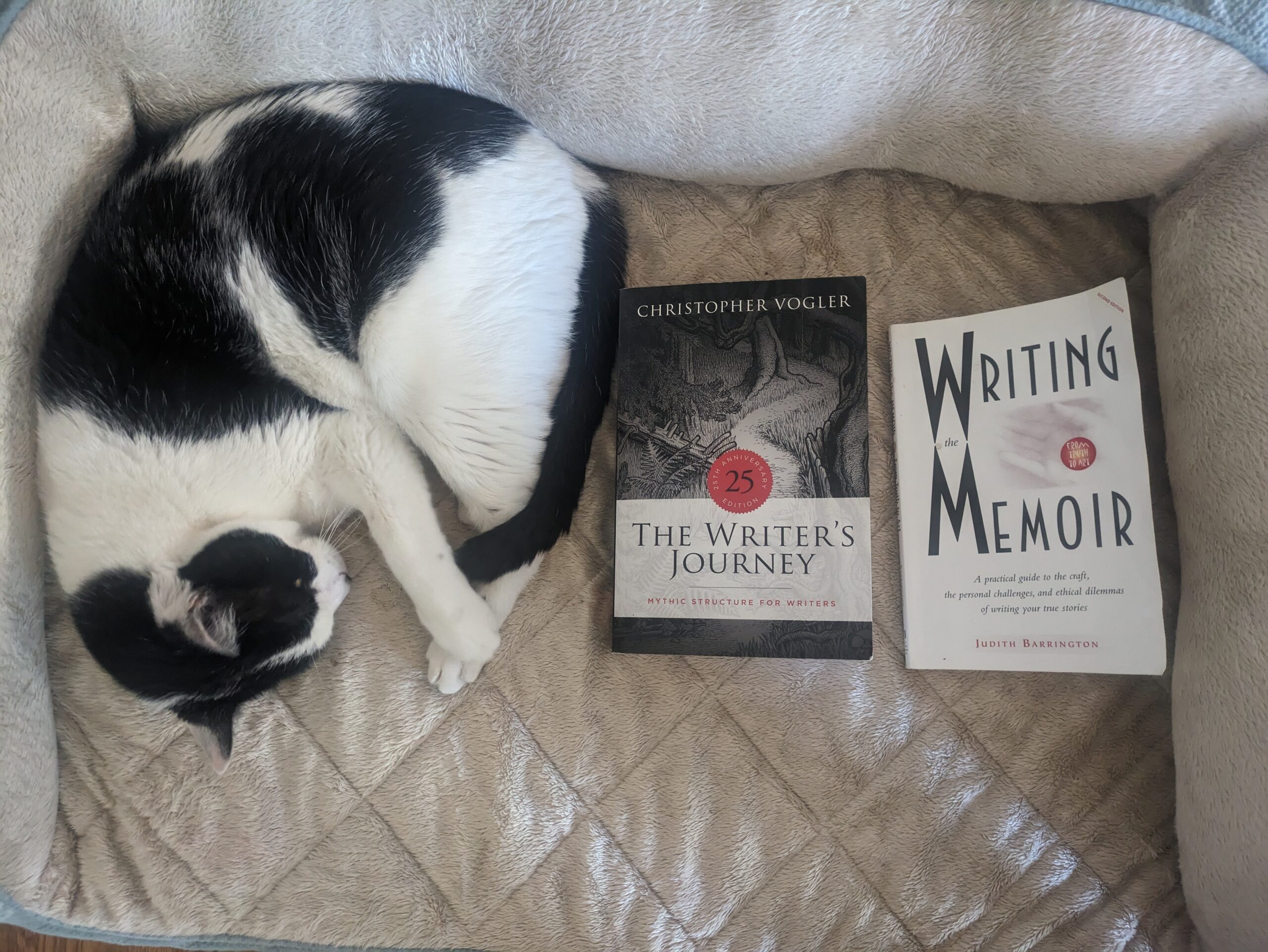
The Writer’s Journey. Let’s Do This.
We’re on the last chapter of Judith Barrington’s book, Writing the Memoir, “Practical Advice on Critique Groups,” plus the dos and don’ts of giving and getting feedback. It’s practical and useful and everything we’ve come to expect from Barrington. But before we close the book on memoir, we give...
Mapping the Hero’s Journey
We’ve officially started our new book, Christopher Vogler’s The Writer’s Journey. And boy is there a lot in the first two chapters! First (or first after Kim’s rant) is an overview of the Hero’s Journey, yes, dear listener, we cover all twelve steps. And as examples for those steps we...
Workshop: Mapping Kim’s Novel to the Hero’s Journey
Writing Workshop with Kim & ReneeThe Writer’s Journey Subscribe to our Newsletter The Hero’s Journey Study Guide The Writing Workshop Exercise Map your Novel according to Vogler’s The Hero Journey. Last episode we mapped all 12 steps of Christopher Volger’s Hero’s Journey (as presented in his book, The Writer’s...
What Makes a Hero
Whether every protagonist is a Hero is open to debate (and debate it we do in this episode) but on it we can agree that the vast majority of protagonists in genre fiction are heroes (if not always heroic). In today’s episode we go deep into Christopher Vogler’s chapter...
Workshop: Renee Creates a Monster-Hero
Last episode we explored the concept of the hero archetype as presented in Christopher Vogler's The Writer's Journey. But analysis is one thing; we wanted to see if we could use the ideas to create/develop an actual protagonist. Renee's has a Frankenstein story idea (she so badly wants to read...
The Mentor Behind Every Great Hero
The Mentor -- arguably the second most identified archetype from The Hero's Journey (after the eponymous hero). In his book, The Writer's Journey, Christopher Vogler has a lot to say about the mentor: why they are important, what they do, what kinds of mentors there are, and whether you...
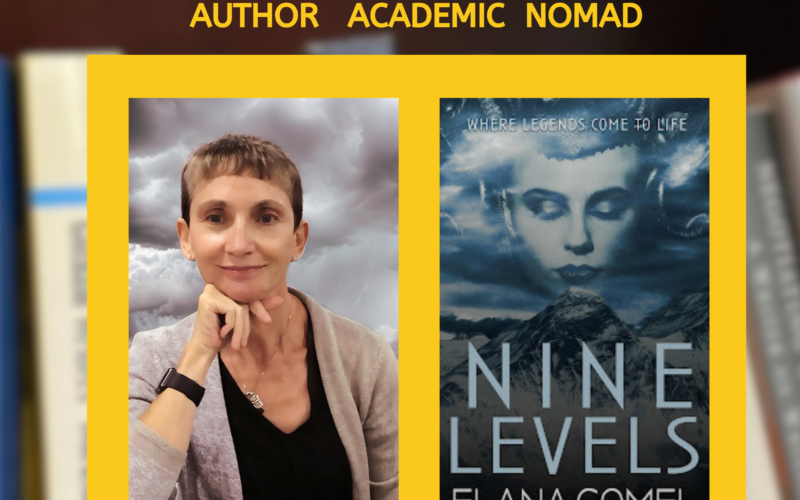
Workshop with Elana Gomel: What to do if your Hero is a Girl?
In response to Joseph Campbell's Hero with a Thousands Faces, aka The Hero's Journey, folklorists and academics (many of them female) countered some of the major steps and archetypes that Campbell claimed were universal. In today's workshop we explore the some of the ideas of The Heroine's Journey with author...
Female Shapeshifters and Other Questionable Archetypes
Everyone who’s read a blog post on the Hero’s Journey can spot the Hero and Mentor archetypes, but what about a Threshold Guardian, or Herald, or elusive Shapeshifter? Are these actual story archetypes or just personifications of the early stages in the Hero’s Journey? Do they play a significant...
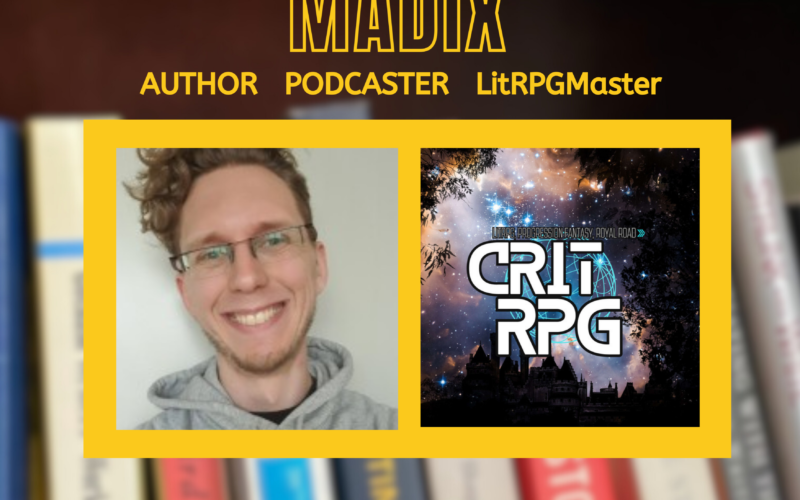
Workshop with Madix: Writing and Revising LitRPG
What if writing the first draft was the easy part? Every week on serial writing websites like Royal Road, hundreds of authors will upload 5, 10, 20,000, or more words of their latest saga. Many of these magnum opuses are LitRPG, a genre that's huge on Kindle Unlimited but pretty...
The Role of the Trickster and Other Archetypes
Are we done with archetypes now? Almost! There are just three more archetype chapters in Christopher Vogler’s book, The Writer’s Journey, and we have issues with two of them. The Shadow feels more like a force than a character and anyone from a legit supporting actor to unnamed gofer can...
Boy Bands & Archetypes
In our regular podcast, we’ve successfully made it through all of Vogler’s archetypes (from his book, The Writer’s Journey). Armed with this knowledge we decided to see if we could identify the archetypes in Kim’s novel, What our Comeback Tour is Slaying Monsters (coming out this October). Along the...
You are Now Leaving the Ordinary World
If you have read even just the first part of a blog post on the Hero’s Journey, you know the hero starts off in the Ordinary World before embarking on their epic adventure. But the Ordinary World is more than a boring place the hero is itching to leave. According...
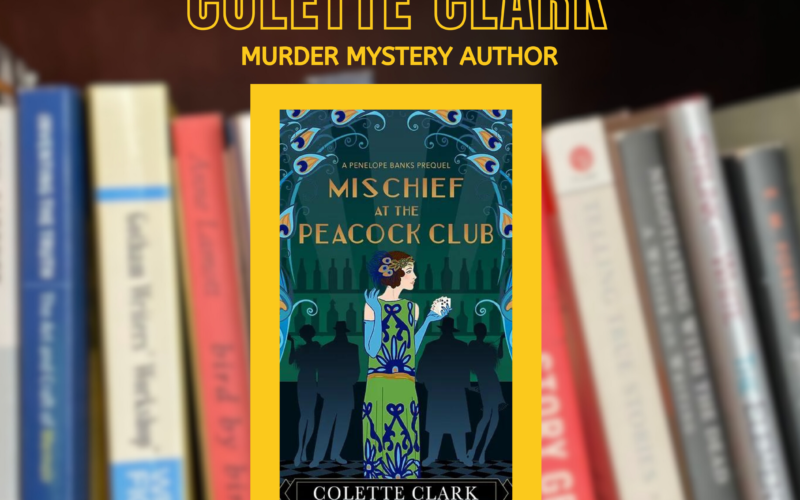
Workshop: Plotting a Murder with Colette Clark
Christopher Vogler’s The Writer’s Journey The Hero’s Journey Study Guide Subscribe to our Newsletter Does the mystery genre follow the Hero’s Journey? According to historical mystery writer Colette Clark. Not so much. Join us for our discussion about how Colette structures her novels and figures out who the murder...
Answering the Call to Adventure
How do you shift your book’s hero from their nice, cozy ordinary world into the adventure? According to Christopher Vogler’s, The Writer’s Journey, you have them answer the call. In this episode we discuss the various forms the Call to Adventure can take, and also why, even the most...
Writing Your College Application Essay
In today's episode we take a break from discussing and analyzing creative fiction to examining possibly one of the most important, and certainly most stressful, nonfiction projects in a young person's life: writing their college application essay. Our guest, Pulitzer Prize winning journalist Martha Mendoza, has been helping high...

Tests, Allies, and Enemies, Oh My!
Christopher Vogler’s The Writer’s JourneyStage Six: Tests, Allies, and Enemies Subscribe to our Newsletter What really happens between “accepting the call” and facing the big bad? Christopher Vogler’s The Writer’s Journey skims through this crucial story phase with vague talk of Tests, Allies, and Enemies. But Kim and Renee...
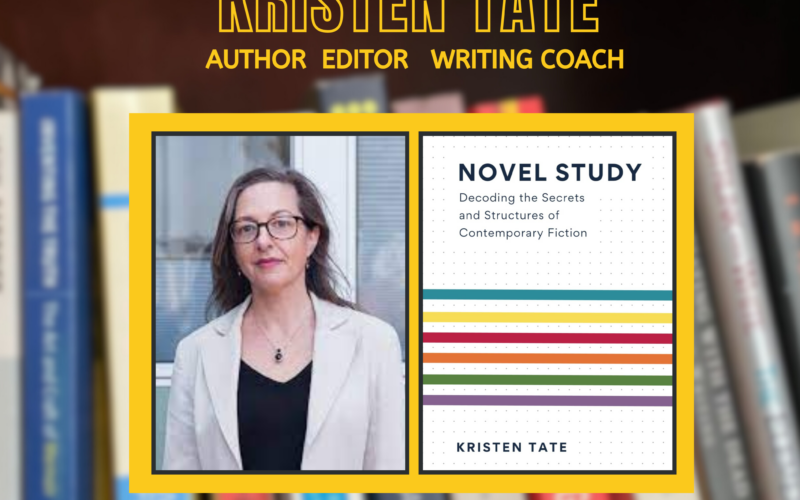
Fixing the Saggy Middle: A Workshop with Kristen Tate
An Interview with Kristen Tate Check it Out: The Hero’s Journey Study Guide Subscribe to our Newsletter Looking for help with your novel’s middle section? While countless craft books offer guidance on crafting gripping openings and satisfying endings, the challenging second act often gets overlooked. In this workshop episode,...

Get Thee Characters to the Cave!
Christopher Vogler’s The Writer’s JourneyStage Six: Approach to the Innermost Cave Check it Out: The Hero’s Journey Study Guide Subscribe to our Newsletter Remember how we’ve occasionally side-eyed Christopher Vogler’s The Writer’s Journey? Well, today we fully roast this bewildering mess, starting with his “Approaching the Innermost Cave” stage,...
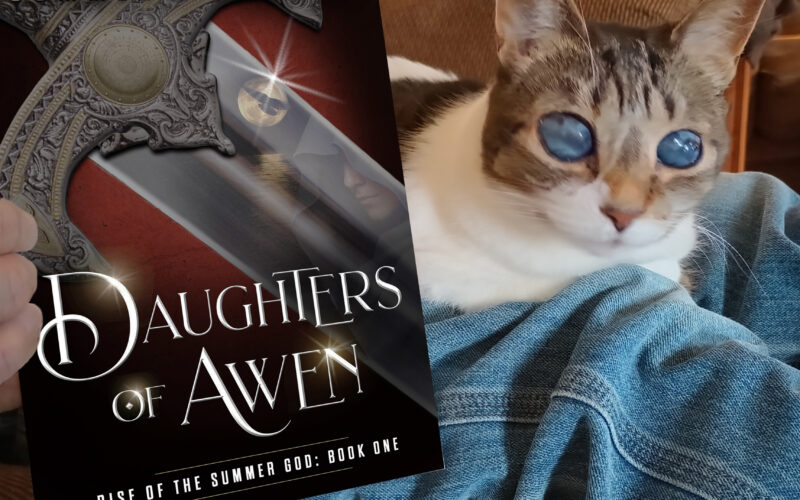
The Road to Armageddon: A Workshop with Summer H. Hanford
The Road to ArmageddonAn Interview with Summer H. Hanford Check it Out: The Hero’s Journey Study Guide Subscribe to our Newsletter How do you craft a journey worthy of an apocalyptic showdown? Epic Fantasy author Summer H. Hanford reveals the art of preparing characters for those fate-of-the-world battles that...
Lost in the Ordeal: Navigating the Hero’s Darkest Hour
Christopher Vogler’s The Writer’s JourneyStage Eight: The Ordeal Check it Out: The Hero’s Journey Study Guide Think you know where your hero’s journey is headed? Think again. We’re diving into the Ordeal – that gut-punch moment some people still confuse with the Climax (spoiler alert: they’re not the same...
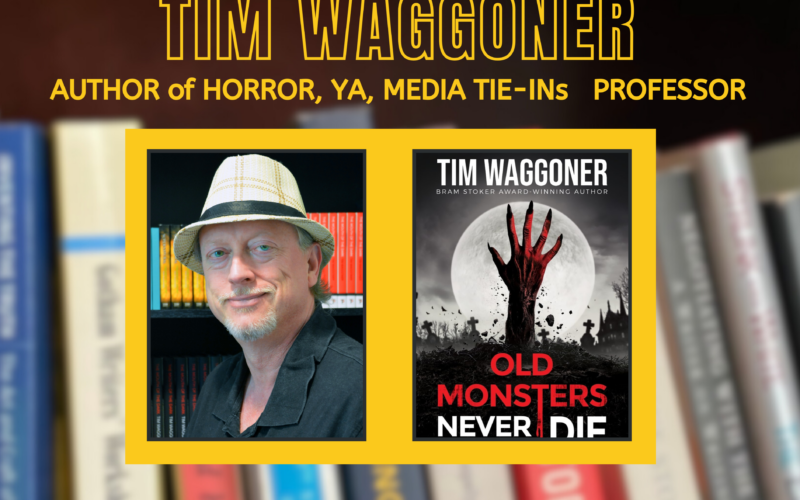
Empowering the Powerless: Tim Waggoner’s Tips for Keeping Horror Heroes Active
Empowering the Powerless:Tim Waggoner’s Tips for Keeping Horror Heroes Active Check it Out: The Hero’s Journey Study Guide Horror stories and the hero’s journey – a match made in hell? In this insightful workshop episode, we talk with award-winning horror writer Tim Waggoner to explore his plotting techniques. Tim...
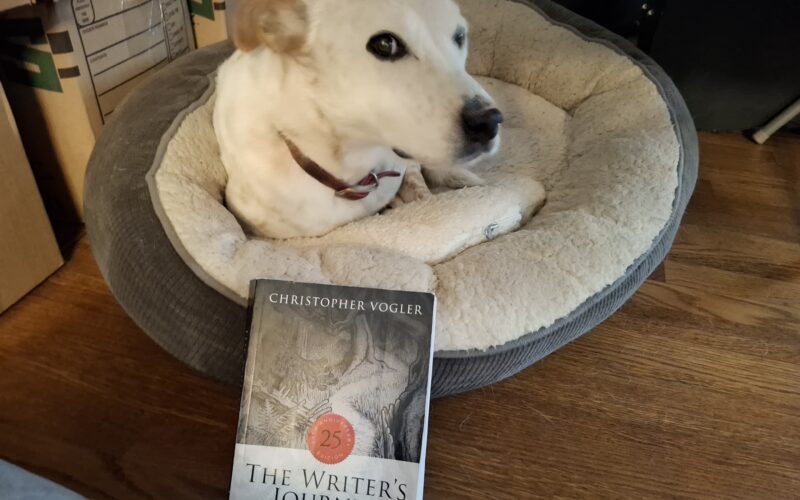
Writing the Return Home: More Than Just a Victory Lap
Christopher Vogler’s The Writer’s JourneyStage 9: RewardStage 10: The Road Home Check it Out: The Hero’s Journey Study Guide Subscribe to our Newsletter Remember family road trips? When you’re finally past the halfway point and it’s nothing but “Are we there yet?” from the backseat? That’s where we are...
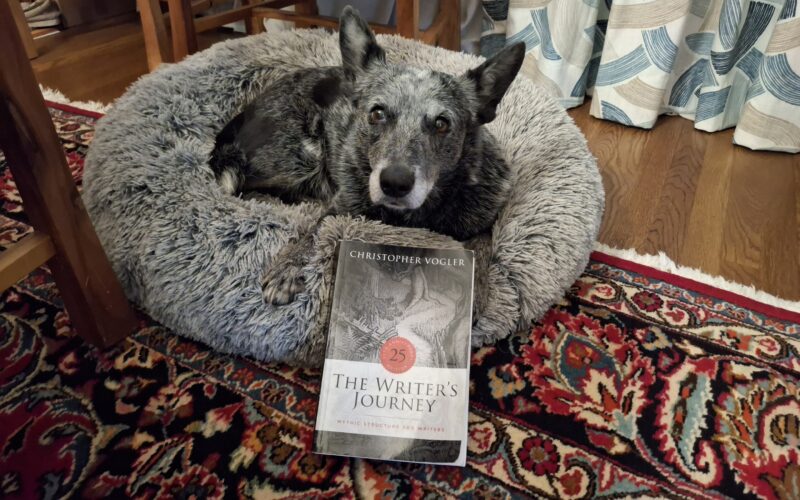
End of the Road: The Last Two Stages of the Hero’s Journey
Christopher Vogler’s The Writer’s JourneyStage Eleven: The Resurrection&Stage Twelve: Return with the Elixir Check it Out: The Hero’s Journey Study Guide Just when you thought you had the Hero’s Journey all figured out, we’re back with a surprising twist! In our previous episode, we confidently declared that the “Road...
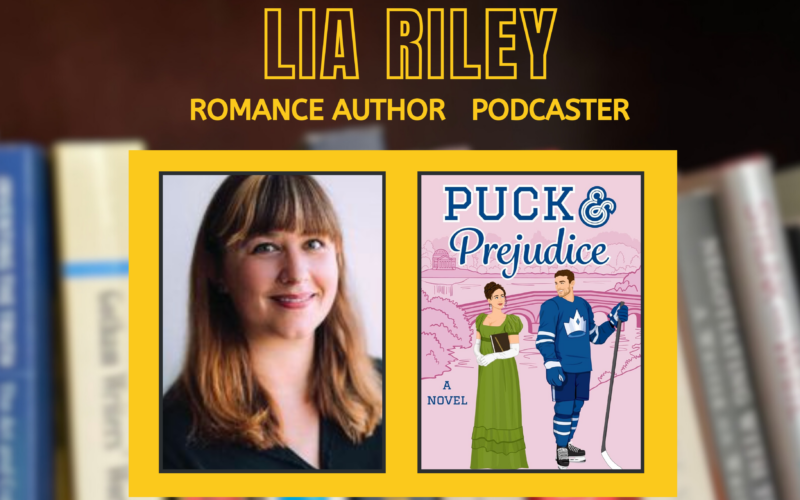
Getting to the Climax: The Anatomy of Romance Novels with Lia Riley
An Interview with Lia Riley Check it Out: The Hero’s Journey Study Guide Christopher Vogler’s The Writer’s Journey insists all stories follow the Hero’s Journey template—but does this actually work for romance novels? I mean, we know they have climaxes… just not necessarily the kind Vogler was talking about....
The Writer’s Last Journey: Heroes, AI, and the Future of Writing
In this episode, we’re finally putting the Hero’s Journey to rest and bidding farewell to Christopher Vogler’s “The Writer’s Journey.” And by “putting to rest,” we mean cramming the entire second half of this doorstop of a book into one episode. Renee takes one for the team by distilling...
Brainstorming with Bots: The Ethics of AI-Assisted Creativity
Can writers harness AI ethically without surrendering the soul of their craft? In our provocative new mini-series, we’re not just theorizing about AI’s role in creative writing—we’re putting it to the test. Picture this: You’re staring at a blank page. Your protagonist is trapped, your love interests are stubbornly avoiding...
Brave New Feedback: When your Critique Partner is a Chatbot
Submitting work to your first workshop or critique group is nerve-wracking – these aren’t your supportive friends or family, but strangers with opinions. Yet honest feedback is the lifeblood of growth for writers. The problem? Workshops are expensive, inflexible, and the quality of feedback varies wildly. What if you could...
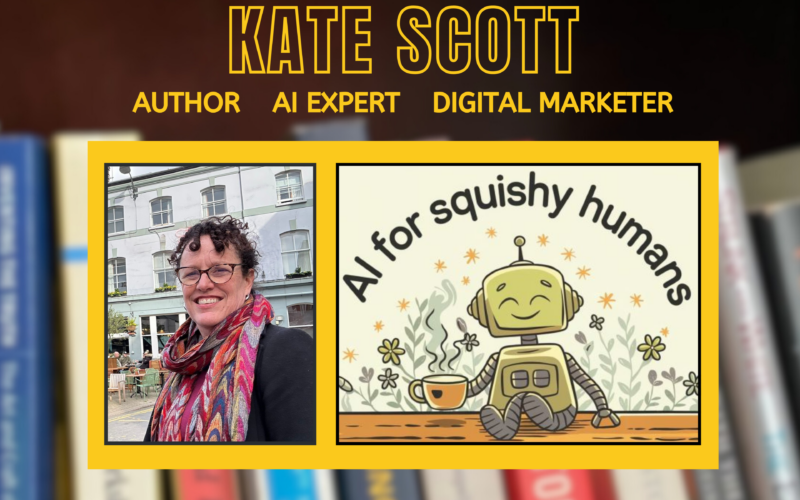
Harnessing AI Without Losing Your Voice: A Talk with Kate Scott
Can AI truly enhance your creativity without taking over? Our previous episodes left us wondering, but in this episode of “Words to Write by,” we interview educator Kate Scott of the “AI for Squishy Humans” newsletter who offers some refreshing answers. Kate reveals her practical framework for taming AI’s “enthusiastic...
Beyond the Book: AI Solutions for Author Marketing
Can AI truly enhance your creativity without taking over? Our previous episodes left us wondering, but in this episode of “Words to Write by,” we interview educator Kate Scott of the “AI for Squishy Humans” newsletter who offers some refreshing answers. Kate reveals her practical framework for taming AI’s “enthusiastic...
AI & Authorship: Where’s the Line?
We've explored AI as brainstorming allies, critique partners, and research assistants. Now we're tackling the most contentious question: should writers use AI in the actual writing process? Not the "generate a novel in a week" approach (both ethically dubious and creatively hollow), but rather using AI as an editor...
Not Your Usual Words to Write By: The AI Podcasting Challenge
Is nothing sacred? After exploring how AI might steal our writing jobs, we're now testing whether these digital usurpers can replicate our podcasting chemistry too. Google's NotebookLM claims to transform documents into conversations between virtual "hosts," setting up the perfect showdown with our human-led book discussion format. For this AI...

What’s Really Happening When AI Writes? An Interview with Bill Moore
We've been putting AI chatbots through creative writing challenges, but what are these systems actually doing when they write? In this episode, we bring in AI expert Bill Moore. Bill works with AI on the coding side, so we had him apply his technical know-how to literary prompts - including...
AI and Your Manuscript: Editor Kristen Tate’s Honest Take
In our quest to cover the mind-blowing benefits AND the nightmare scenarios that AI chatbots are unleashing on the writing world, we called in friend-of-the-podcast and editor Kristen Tate to find out if she's using AI in her work. The answer? It depends entirely on her clients' wishes—and a...
Teaching Kids to Write in the Age of ChatGPT
Authors & AI SeriesTeaching Kids to Write in the Age of ChatGPT What if chatbots result in the next generation never learning to write? It’s a doomsday scenario that we keep coming back to in our series on AI writing tools. If AI can craft essays and compose emails...
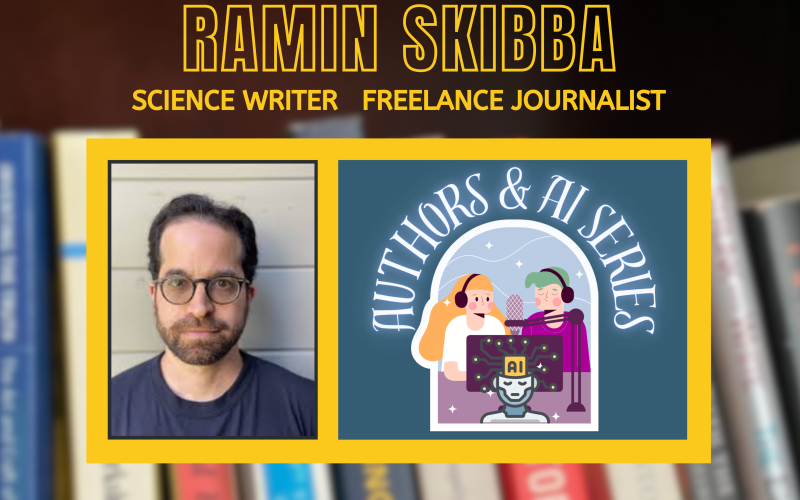
Robot Reporters Need Not Apply: A Journalist’s Stand
Authors & AI SeriesRobot Reporters Need Not Apply:A Journalist’s Stand We’ve been looking at how AI chatbots have been upending fiction writing, but how about in news media? Today we talk with former Wired writer and freelance science journalist Ramin Skibba about the issues that chatbots, as well as...
What’s on our bookcase?
Welcome to Words to Write by – a podcast where we discuss, chapter by chapter, those wonderful writing craft books purchased with the best of intentions but now gathering dust on the bookshelf.